REAL Things You Need To Know Before Moving to Virginia Beach
If you are moving to Virginia Beach, this guide will give you the hard facts, real-life details, and practical tips most people do not notice until after they arrive. Whether you are relocating across state lines, across town, or just exploring neighborhoods for the first time, understanding the local vibes, utilities, pests, traffic patterns, and lifestyle differences will make the transition smoother and help you feel like a local faster.
Table of Contents
- The Different Vibes Across Virginia Beach and Hampton Roads
- Expect the Unexpected: Water Bugs and Pest Realities in Coastal Living
- How Growth and Development Affect Virginia Beach Neighborhood Character
- Traffic, Interchanges, and the Realities of Commuting Around
- Homelessness in Virginia Beach
- Beach Culture and Fierce Beach Loyalties
- Internet and Cable in Virginia Beach
- The Food Scene in Virginia Beach
- Virginia Beach Sports and Local Loyalties
- House Hunting Tips: What to Know Before You Buy in Virginia Beach
- Moving Day Tips for the Hampton Roads Region
- Final Thoughts Before Moving to Virginia Beach
- FAQs About Living in Virginia Beach
- Want More Help?
The Different Vibes Across Virginia Beach and Hampton Roads
One of the first things you will notice when moving to Virginia Beach is that each city and neighborhood has a personality. People are drawn to different parts of Hampton Roads for distinct reasons. If you ignore those differences, you might pick a house that looks perfect online and then discover the neighborhood is not the life you wanted.
Here is a practical breakdown to help you decide where to look:
- Virginia Beach: Think beach-loving suburban families. Many residents pick Virginia Beach for the schools, the blend of coastal living with suburban conveniences, and neighborhoods that feel safe and established. If you want that combination of beach access and a family-friendly environment, start your search here.
- Chesapeake: Expect a more rural or relaxed vibe in many parts of Chesapeake. Great Bridge, Hickory, and Greenbrier offer country-like neighborhoods, larger lots, and an outdoorsy lifestyle while still being within reach of Virginia Beach. For a quieter pace and room to breathe, Chesapeake is a solid option.
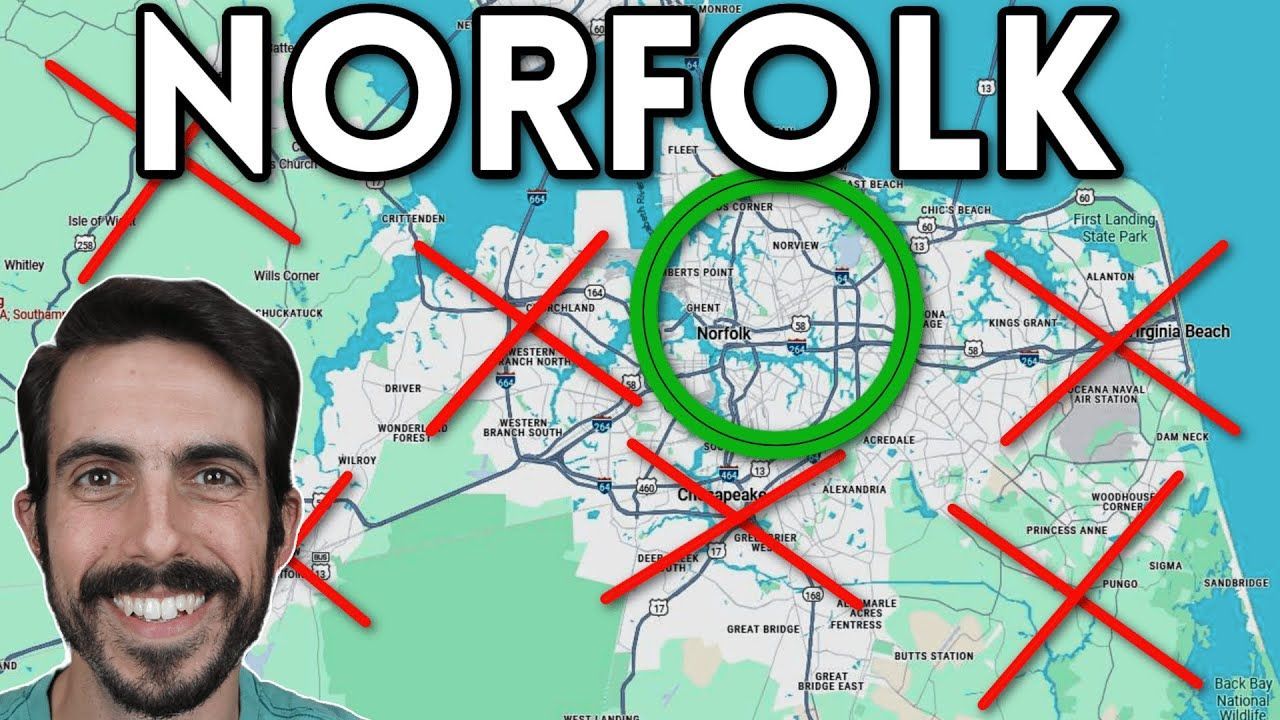
- Norfolk: Old-school charm, walkable streets, and older architecture are Norfolk’s calling cards. If you like 1920s to 1950s homes, craftsman and colonial styles, and trendy restaurants clustered near downtown, Norfolk neighborhoods like Ghent, Colonial Place, Larchmont, and Lochhaven could be your match.
- Other Cities: Newport News, Hampton, Williamsburg, Smithfield, and Yorktown each have unique flavors—from historic streets to rural farmland to small-town atmospheres. Decide whether you want an urban, suburban, or rural experience before you commit.
Expect the Unexpected: Water Bugs and Pest Realities in Coastal Living
Something most newcomers do not talk about enough is the prevalence of certain pests, particularly American cockroaches—commonly called water bugs. Moving to Virginia Beach means you may encounter these pests regardless of how tidy your home is.
Why they are here and how to manage them:
- They are attracted to moisture and can enter through very small crevices in walls, foundations, and around pipes.
- They are not always a reflection of cleanliness. Even immaculate homes can experience infestations because these pests come from outside environments and older infrastructure.
- American cockroaches can be large, sometimes winged, and may fly. They peak after warm, wet weather.
- Treatment often requires professional pest control, sealing entry points, and ongoing preventative maintenance. DIY sprays can help short-term but are rarely a permanent solution.
If you are moving to Virginia Beach, arrange a pest inspection or ask your realtor for records of any pest treatments before closing. It is an inexpensive step compared to dealing with recurring issues later.
How Growth and Development Affect Virginia Beach Neighborhood Character
When people ask about development, they usually want to know whether their new neighborhood will look the same in five or ten years. Much of Hampton Roads has not seen rapid transformation because geography limits expansion. The water surrounds large parts of the region, which constrains where new neighborhoods can be built.
Key takeaways about growth:
- Pungo and many southern parts of Virginia Beach stay purposely rural. If you move to Pungo expecting a fast-developing suburb, you will be disappointed. Many residents take pride in keeping this area country.
- Chesapeake shows measured growth, but again, development is limited by surrounding waterways and protected lands.
- Suffolk has room to grow and is where builders expand more often; still, growth is gradual.
- Near the oceanfront, pockets of renovation and new districts (such as repurposed arenas and revitalized beachfront areas) happen within the existing vibe rather than replacing it wholesale.
When moving to Virginia Beach, consider whether you want static, familiar surroundings or an area primed for change. Static areas mean predictability; growth areas can increase property value but also bring construction and new traffic.
Traffic, Interchanges, and the Realities of Commuting Around
Traffic is part of life here, but understanding the hotspots and why certain interchanges cause problems will save you stress. Two interstates shape many commutes: Interstate 64 and Interstate 264. Interchanges between local roads and these highways are often where issues arise.
Practical commuting tips:
- Expect congestion near major exchange points like Lynnhaven Parkway and Independence Boulevard, especially during morning and evening rush hours.
- Be wary of short on-ramps. Some merge lanes are short, and drivers sometimes stop to wait for gaps, which causes backups on ramps and local streets.
- Plan routes using traffic-aware navigation and leave earlier if you have time-sensitive appointments. Local drivers often build time buffers into schedules to avoid stress.
- Drive defensively around ramps and interchanges and watch for sudden braking. These areas can be dangerous if you are not prepared for merging traffic behavior.
Commuting criticism exists, but the road network has seen widening and updates. Moving to Virginia Beach does not mean you will be stuck in daily gridlock, but if you commute across the region, expect some bottlenecks and plan accordingly.
Homelessness in Virginia Beach
Homelessness is visible in some corners of Hampton Roads, but large encampments along major roads are generally not common compared to bigger metropolitan areas. You may notice individuals asking for help near high-traffic urban corners or downtown neighborhoods.
When moving to Virginia Beach, be empathetic and cautious. If you prefer connecting with local resources, many nonprofits and municipal programs work to assist people experiencing homelessness in the area.
Beach Culture and Fierce Beach Loyalties
Beach selection is a surprisingly personal topic here. Once you start living in the region, you quickly learn that locals will staunchly defend their favorite patch of sand. The Hampton Roads area includes diverse beach options, each with its own flavor.
Popular beaches and what to expect:
- Oceanfront: The most touristy and lively beach. If you want easy access to attractions, dining, and nightlife, the oceanfront is ideal. Locals sometimes avoid it on busy summer days.
- Croatan: A neighborhood beach with proximity to the oceanfront without all the bustle. Great for people who want a close-in community feel.
- Sandbridge: A destination beach farther south with a quieter, getaway vibe—people drive from around the region to relax here.
- North End and Chic's Beach: Quieter, family-oriented beach neighborhoods. North End offers a tranquil residential feel while being within reach of amenities.
- Ocean View: Located in Norfolk, Ocean View has an older, more local profile, with nearby breweries and a down-to-earth atmosphere.
- Other small beaches: Yorktown, Buckroe, and others provide small-town beach experiences tied to history and community events.
When moving to Virginia Beach, think about how often you want to be at the beach, whether you prefer crowds or calm, and whether you want walkable nightlife or quiet nights on your porch.
Internet and Cable in Virginia Beach
Connectivity options will vary by neighborhood. Two major providers serve much of the region: Cox and Verizon. Historically, Cox dominated, but Verizon expanded into many areas, increasing competition. However, Verizon coverage is not universal and is sometimes patchy by neighborhood.
What to check before moving to Virginia Beach:
- Look up your exact address on Verizon’s availability tool before renting or buying. It will tell you whether fiber or other services are present at that address.
- Cox is widely available, but customer reviews vary. Ask neighbors about reliability in a specific block.
- Other options include T-Mobile home internet, EarthLink, and in some areas Spectrum. Rural parts may rely on Spectrum or fixed wireless options.
- Backup options are wise if you work from home—consider a mobile hotspot plan or a second provider if stability matters.
Always confirm actual speeds at your address and ask sellers for historical bills or receipts from prior internet providers to get an accurate sense of performance.
The Food Scene in Virginia Beach
Seafood is central to the local palate. Being on the water means fresh fish, shrimp, crab, and oysters are staples at many restaurants. But the culinary landscape is broader than just seafood—nationalities and international flavors have established strong footholds across the region.
Local recommendations and food culture:
- Expect to find excellent raw bars and seafood joints in Virginia Beach, Norfolk, and Chesapeake. If you love seafood, you will be happy here.
- Notable mentions: Blue Seafood and Red Mill at the Beach for classic coastal dining, and Freemason Abbey in Norfolk for a varied menu in a historic setting.
- Hidden gems matter. For example, some locals swear by small, unexpected spots like Burrito Purito in Chesapeake for quick, delicious meals.
- Look for seasonal festivals: food festivals, beer and wine events, and restaurant weeks are popular. Brewery scenes have grown in Norfolk and Virginia Beach over the last decade.
When moving to Virginia Beach, allow time to explore small restaurants—some of the best local flavors are found in neighborhoods rather than in guidebooks.
Virginia Beach Sports and Local Loyalties
Sports fans here are passionate but diverse. Because there are no major league teams headquartered in Hampton Roads, allegiances vary. Some follow nearby major teams, while others support local college athletics and minor league franchises.
What you should expect:
- Old Dominion University provides Division One college sports appeal—college football brings a regional game-day culture.
- Minor league teams like the Norfolk Tides (baseball) and smaller local hockey franchises provide family-friendly entertainment and local spirit.
- Many transplants bring loyalties from other regions, so you will find fans of the Orioles, Nationals, Yankees, Cowboys, Eagles, and more. Do not assume one team represents everyone.
House Hunting Tips: What to Know Before You Buy in Virginia Beach
If you are moving to Virginia Beach and preparing to buy or rent, prioritize these practical steps.
- Visit neighborhoods at different times of day. Mornings, nights, and weekends reveal different truths about traffic, noise, and community life.
- Check flood maps and consider flood insurance. Norfolk especially has older neighborhoods that are charming but may be prone to flooding during storms or high tides. If you are drawn to that historic Norfolk vibe, budget for potential higher insurance or mitigation costs.
- Ask about pest history and treatments. Pests like water bugs are common; ask the seller or landlord for any pest control records.
- Confirm utilities and internet availability for your exact address. This is a frequently overlooked detail that can cause frustration after you move.
- Consider commute routes to key locations such as work, school, grocery stores, and medical centers. Drive the route during peak hours to know what you are committing to.
- Speak with neighbors. Locals will tell you about HOA quirks, noisy intersections, and community events that listings will not show.
Moving Day Tips for the Hampton Roads Region
Moving logistics around bridges, ferries, and narrow streets add an extra layer. Coordinate large truck routes, confirm parking permits if required, and pick moving times that avoid rush hour and beach traffic, especially in summer.
- Book movers well in advance during summer months. The beach season increases demand for moving services, and rates can spike.
- Have a storm preparedness plan. Hurricanes and tropical storms can cause sudden interruptions—know evacuation zones and emergency kits if you are moving into a low-lying area.
- Label moving boxes by neighborhood function, not just room name—items you might need quickly (cleaning supplies, pest control, dehumidifiers) should be easy to find.
Final Thoughts Before Moving to Virginia Beach
Moving to Virginia Beach means weighing lifestyle preferences against practical realities. Are you after beach access, suburban schools, historic architecture, quiet country roads, or a vibrant downtown? Each city in Hampton Roads has a distinctive personality. The right choice depends on what you value most: walkability, yard space, proximity to water, or less development.
Expect some nuisances like pests and occasional traffic, but also expect plenty of benefits: a strong seafood culture, festivals, accessible beaches with different vibes, and diverse housing stock. If you think through your priorities and do a little reconnaissance, you will find the neighborhood that feels like home faster.
FAQs About Living in Virginia Beach
What neighborhoods are best for families when moving to Virginia Beach?
Neighborhoods with strong school reputations and family-oriented amenities include many parts of Virginia Beach itself, especially suburban zones close to good school districts. Chesapeake also offers family-friendly, more rural neighborhoods. When moving to Virginia Beach, prioritize school ratings, parks, and commute times during your search.
Are cockroaches a common problem in the area and how can I prevent them?
American cockroaches, sometimes called water bugs, are present throughout Hampton Roads. Prevention includes sealing entry points, keeping moisture levels low, regular trash removal, and professional pest control treatments. Even very clean houses can attract them, so plan for periodic pest management if you are moving to Virginia Beach.
Which internet provider should I choose after moving to Virginia Beach?
Check for availability at your specific address before deciding. Cox and Verizon are the main providers in many areas, but Verizon is not serviceable in every neighborhood. Spectrum, EarthLink, and T-Mobile home internet are other possible choices, especially in less central areas.
Is traffic as bad as people say when moving to Virginia Beach?
Traffic can be a problem at certain interchanges and during peak tourist or commute hours. The worst congestion often occurs around I-64, I-264, and short on/off ramps like Independence Boulevard near Town Center. Recent road widening has improved flow, but practice defensive driving and plan commute routes to minimize stress.
Which beach should I choose if I want a quieter local feel?
If you prefer quiet neighborhood beaches, consider the North End or Chic's Beach for a quieter community-oriented experience. Sandbridge is a quieter destination farther south. Oceanfront is more tourist-heavy and lively. Each beach offers a distinct vibe, so visit them to find the best match before moving to Virginia Beach.
Are there good dining options outside of seafood?
Yes. While seafood is a staple, Virginia Beach, Norfolk, and Chesapeake have diverse culinary scenes with international cuisines, farm-to-table restaurants, and numerous local favorites. Downtown Norfolk offers a broad mix of restaurants, and the craft brewery scene has expanded in the last decade.
Want More Help?
Moving to Virginia Beach can be an exciting chapter. If you are still exploring neighborhoods, create a checklist that includes schools, commute routes, internet availability, pest history, flood risk, and local amenities. Visit areas at multiple times of day, and talk to neighbors to get the inside scoop.
Every relocation has tradeoffs. By understanding the real-life details—different neighborhood vibes, pest realities, traffic choke points, internet variability, beach personalities, and food culture—you can make a confident decision and settle into life in Hampton Roads much faster.
Sam Sansalone
With 19 years of experience in Virginia Beach real estate, Sam Sansalone offers personalized guidance to buyers, sellers, and military families.